- Qual o pássaro mais limpo do mundo
- Características dos habitos de limpeza dos pássaros
- Pássaros que se destacam pela higiene
- Fatores que influenciam a limpeza dos pássaros
- Estudos científicos e observações de campo
- Comparação entre espécies e implicações evolutivas
- Importancia da higiene na relação com o ser humano
- Aspectos culturais e simbólicos da limpeza das aves
- Desafios e ameaças à manutenção da higiene natural dos pássaros
- Considerações Finais
The world of birds is filled with mesmerizing colors, graceful flight, and intriguing behaviors. Among these behaviors, hygiene and self-care stand out as essential traits that ensure the survival and attractiveness of the species. In recent years, a popular question has emerged among nature enthusiasts and researchers alike: Qual o pássaro mais limpo do mundo? This article delves into the habits and customs of several avian species known for their strict self-maintenance routines, addressing doubts and curiosities that often arise when searching for answers on this topic. Through an analysis of scientific studies and natural observations, we will explore how different birds maintain their plumage, what environmental factors influence their cleaning habits, and why certain species have become icons of cleanliness in the animal kingdom.
Birds, unlike many other animals, depend heavily on their feathers for flight, insulation, and courtship rituals. Thus, their grooming behavior is not merely a matter of aesthetics but a vital survival tool. With varied techniques ranging from meticulous preening with their beaks to regular bathing in natural waters, many species demonstrate a precise routine that ensures their feathers remain free of parasites and debris. By understanding these habits, we can appreciate the complexity of their behavior and the evolutionary significance of self-cleaning in the wild.
This comprehensive article addresses qual o pássaro mais limpo do mundo by examining multiple perspectives and highlighting the behaviors of select species. Throughout the discussion, we will incorporate relevant data, comparative analyses, and insights into the daily lives of birds, with special attention to those species that have earned a reputation for exemplary hygiene.
Qual o pássaro mais limpo do mundo
Determining which bird is the cleanest in the world is not as straightforward as it might initially seem. Each species has evolved unique strategies for self-maintenance that are adapted to its habitat, lifestyle, and ecological needs. However, many experts point to the flamingo as one of the standout examples when it comes to pristine grooming habits. Known for their brilliant pink plumage and elegant demeanor, flamingos engage in thorough and frequent cleaning rituals.
Flamingos spend hours every day taking bath in shallow waters, where the natural current assists them in removing dust, parasites, and other impurities. Their methodical preening involves the use of their beaks to align each feather properly. This detailed routine not only enhances the bird’s visual appeal but also plays a crucial role in thermoregulation, waterproofing, and flight efficiency. In many ways, the flamingo has become a symbol of avian cleanliness, embodying the notion that hygiene is closely linked to both health and social interactions during mating rituals.
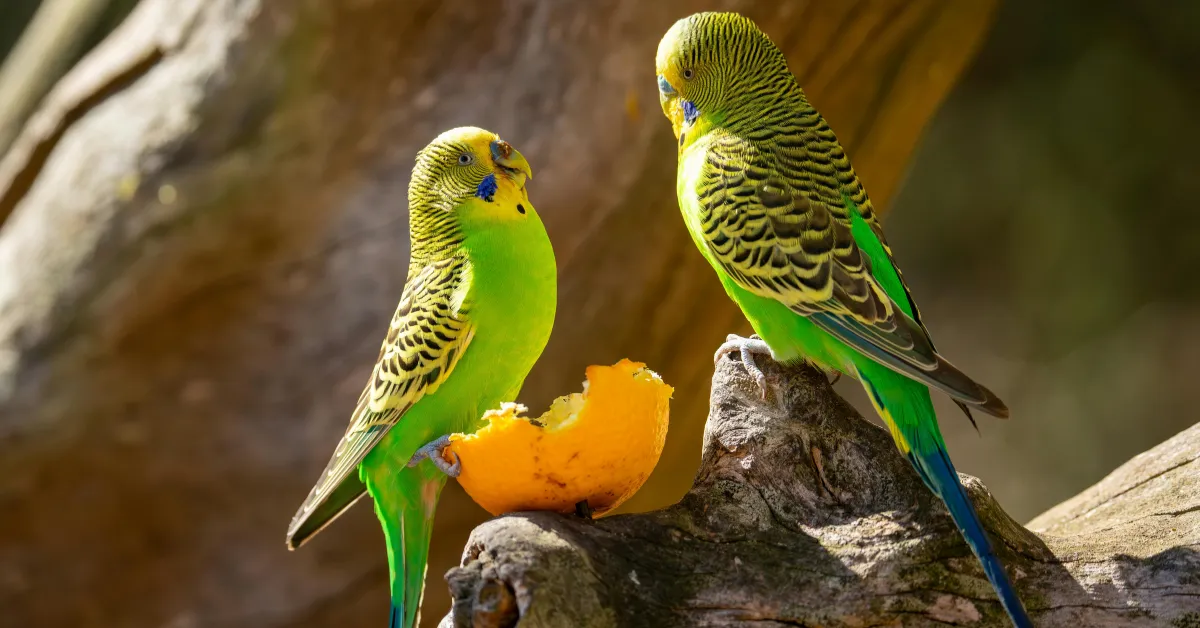
While the flamingo is frequently cited as a leading example, it is important to recognize that another contender in the race for cleanliness is the papagaio-do-congo. This species is equally meticulous in its self-care routine, spending a significant portion of the day preening its vibrant feathers. These observations have sparked engaging debates in ornithological circles, emphasizing that the concept of “lcleanliness” might be more subjective than it first appears.
Características dos habitos de limpeza dos pássaros
Auto limpeza e grooming
Birds exhibit an impressive range of cleaning techniques that are fundamental to their survival. The process commonly known as grooming involves behaviors that are instinctive as well as learned. In many species, self-grooming is performed to prepare feathers for flight, ensuring that they remain flexible and properly aligned. During this process, a bird may use its beak to spread natural oils produced by the preen gland, which helps to condition the feathers while protecting them from bacteria and parasites.
In addition to self-grooming, social grooming is observed in certain species where birds assist one another in removing debris from hard-to-reach areas. This cooperative behavior not only strengthens social bonds among flock members but also enhances the overall health of the group. The presence of both individual and communal grooming behaviors underlines the significance of cleanliness in the daily lives of birds.
Impacto ambiental e saúde
Environmental factors play a pivotal role in the cleaning routines of birds. Access to fresh water, a low presence of pollutants, and a habitat that supports a balanced ecosystem are crucial for effective grooming. In polluted environments, birds may struggle to keep their feathers in optimal condition, which can lead to diseases and a reduction in mating success. On the contrary, pristine habitats allow for natural, uninterrupted bathing routines, ensuring that birds maintain a high level of cleanliness.
It is also worth noting that healthy grooming practices have a direct impact on a bird’s immune system. Regular removal of parasites and contaminants helps prevent infections, thus contributing to a longer, healthier life. The interconnectedness of environmental quality and avian health accentuates the need for conservation efforts that maintain not only biodiversity but also the natural conditions required for birds to thrive.
Pássaros que se destacam pela higiene
When addressing the query of which bird is the cleanest, it is crucial to acknowledge that several species demonstrate extraordinary hygiene habits. The following list presents some of the most notable examples, each with unique characteristics and cleaning techniques:
- Flamingo: Frequently cited for its immaculate grooming routine, the flamingo uses shallow water bathings and extensive preening rituals to maintain its vibrant plumage.
- Papagaio-do-Congo: This parrot species is known for its dedication to preening, often observed meticulously aligning its feathers to ensure optimal condition and appearance.
- Sabiá: Renowned for the detailed cleaning behavior that it exhibits, the sabiá invests substantial time in grooming, which is vital for both its survival and mating displays.
- Corvus (Corvos): Although often associated with intelligence and problem-solving skills, corvos also display impressive grooming behaviors; their self-care routines are highly adapted to prevent feather degradation.
- Pica-Pau: Unique among birds, the pica-pau’s repeated head and body motions during feeding also serve a dual purpose: dislodging debris and maintaining feather hygiene.
Each of these birds has evolved grooming behaviors that best suit their ecological niches. Their practices highlight the importance of personal hygiene as a factor in survival, health, and reproductive success.
Fatores que influenciam a limpeza dos pássaros
Aspectos biológicos
The biology of birds provides an excellent framework to understand their cleaning habits. One of the key aspects that determine grooming behavior is the structure of the feathers themselves. Feathers are composed of keratin, a protein that not only gives them strength but also makes them susceptible to external contaminants. The presence of a specialized gland near the tail – the uropygial or preen gland – produces an oily secretion that birds distribute over their feathers during preening. This secretion acts as a natural conditioner, offering a barrier against water and microbial attack.
Another important biological factor is the metabolic cost associated with prolonged grooming. While cleanliness is essential, birds must balance the time spent on grooming with other vital activities such as foraging, mating, and territorial defense. This balance is achieved through evolved behavioral patterns that optimize the allocation of energy. Therefore, species that live in environments with abundant resources and lower predation pressure tend to invest more time in extensive grooming behaviors.
Furthermore, genetic predispositions and evolutionary history also influence how different species prioritize cleanliness. In species where visual cues play a major role in mate selection, such as the highly colorful flamingos and papagaios, there is a stronger evolutionary pressure to maintain immaculate plumage.
Influência do habitat
The habitat in which a bird lives is another fundamental determinant of its cleaning habits. Birds living in aquatic or semi-aquatic environments, like the flamingo, benefit from the ready availability of water for bathing. In contrast, species inhabiting arid or temperate regions must often rely on alternative methods such as dust bathing or seeking out water sources for a quick clean. These environmental nuances influence not only the frequency of grooming behavior but also its overall efficacy.
Climate conditions, water quality, and the presence of natural predators or competitors all factor into how a bird maintains its hygiene. For instance, in regions with high parasite loads, birds tend to groom more frequently to remove harmful organisms. Conversely, in more sterile or less competitive environments, the urgency for intensive grooming may decline, allowing the animal to allocate energy towards reproductive or foraging activities.
The adaptive strategies of birds are a testament to the resilience and ingenuity of nature. Through evolutionary time, these animals have developed a set of behaviors that optimize both their physical appearance and overall health, even in challenging conditions.
Estudos científicos e observações de campo
Over the years, numerous studies have been conducted to analyze the grooming behaviors of birds. Field observations, coupled with laboratory experiments, have provided valuable insights into the mechanics and benefits of self-cleaning routines. Researchers often use long-term behavioral tracking to monitor how different species apply various cleaning techniques and how these behaviors correlate with health and mating success.
One notable study, conducted by a team of ornithologists from several leading universities, examined the preening habits of multiple species across different habitats in South America. The results indicated that birds with more vibrant and elaborate plumage, such as flamingos and certain parrots, displayed longer and more frequent grooming sessions. This study underscores the idea that grooming is directly linked to reproductive success, as cleaner, more well-maintained feathers can be an indicator of superior genetic quality.
Additionally, laboratory simulations have allowed scientists to recreate a range of environmental conditions, further highlighting how external factors such as dust, humidity, and water quality impact the grooming process. Such controlled experiments have reinforced the hypothesis that diligent cleaning behavior is strongly correlated with improved health outcomes and survival rates in bird populations.
Comparação entre espécies e implicações evolutivas
When comparing various species, it is clear that the drive for cleanliness has profound evolutionary implications. Birds that exhibit exemplary cleaning behaviors tend to have higher mating success, as their well-maintained plumage serves as both an attractant and a signal of genetic fitness. This sexual selection pressure has likely driven the evolution of more sophisticated grooming mechanisms among species known for their striking appearances.
For example, flamingos and papagaios vary not only in their external appearance but also in the intricate details of how they manage their plumage. The flamingo’s routine of prolonged water bathing and meticulous preening stands in contrast to the more rapid, yet equally effective, grooming sessions observed in parrots. Despite the differences, both behaviors point to a common evolutionary strategy: ensuring that physical appearance supports the overall fitness and survival potential of the individual.
Moreover, the variability in cleaning habits among species provides an excellent case study in adaptive evolution. Birds that have colonized diverse environments have had to innovate their self-care methods to cope with different challenges. In some cases, this has led to the development of unique behaviors, such as dust bathing observed in ground-dwelling species inhabiting arid environments. These adaptations highlight the resilience and flexibility of avian species in the face of environmental pressures and resource limitations.
Importancia da higiene na relação com o ser humano
Understanding the cleaning habits of birds offers valuable lessons for human interaction with nature. As urbanization and environmental degradation continue to impact natural habitats, monitoring the health and grooming behaviors of local bird populations can serve as an early indicator of ecological imbalance. In urban settings, many bird species have adapted their grooming routines in response to pollution and altered landscapes, making them living barometers of environmental quality.
Additionally, avian self-care practices have inspired biomimetic approaches in technology and design. Engineers and scientists study bird grooming to develop advanced cleaning systems and self-maintaining materials. The delicate balance of efficiency, energy conservation, and effectiveness found in nature often provides innovative solutions to modern challenges. Thus, the study of how qual o pássaro mais limpo do mundo is not merely of academic interest—it has tangible implications for environmental conservation and technological advancement.
The relationship between birds and humans is symbiotic in many ways. On one hand, birds contribute to the ecological balance and aesthetic beauty of our surroundings; on the other, human efforts to conserve and restore natural habitats directly benefit bird populations, ensuring that their intricate grooming behaviors can continue to inspire future generations.
Aspectos culturais e simbólicos da limpeza das aves
The symbolism of cleanliness has been deeply ingrained in many cultures for centuries, and birds often embody this aspect of purity and renewal. In various mythologies and folklore traditions, birds that maintain impeccable hygiene are seen as messengers of good fortune and health. Their meticulous grooming habits are interpreted not only as physical upkeep but also as a metaphor for spiritual and moral purity.
This rich cultural imagery has influenced art, literature, and even modern branding, with many companies drawing on the image of clean, well-groomed birds to symbolize trust, clarity, and beauty. The flamingo, with its iconic and immaculate appearance, is often featured in visual compositions and advertising campaigns that emphasize elegance and grace. Similarly, the image of a preening parrot or a carefully groomed songbird can evoke memories of a simpler, more natural world, resonating strongly with contemporary audiences increasingly concerned about environmental sustainability.
This cultural dimension adds another layer of interest to the question of qual o pássaro mais limpo do mundo. It is not simply a matter of biological function, but also one of aesthetics, symbolism, and even identity. As people seek to reconnect with nature in an increasingly digital world, the meticulous self-care of birds continues to captivate and inspire.
Desafios e ameaças à manutenção da higiene natural dos pássaros
Although many bird species exhibit remarkable cleaning behaviors, their ability to maintain such routines is increasingly challenged by environmental changes. Pollution, habitat destruction, and climate change are having a profound impact on the availability of clean water and suitable environments for birds to bathe and preen. In urban areas, for instance, contaminated water sources and airborne pollutants can compromise the effectiveness of natural grooming behaviors.
Moreover, invasive species and the spread of parasites due to changing climate patterns add extra stress to the delicate balance of avian hygiene. As parasites become more prevalent in disturbed ecosystems, birds must invest additional energy in cleaning, which can detract from other essential activities such as feeding and reproduction. This increased burden may eventually lead to a decline in overall health and a reduction in population numbers, further exacerbating the challenges faced by many species in the wild.
Conservation efforts are now more critical than ever. Protecting water sources, restoring native habitats, and monitoring pollution levels are fundamental measures that can help sustain the natural grooming habits of birds. These initiatives not only benefit the birds directly but also serve as vital components of broader environmental preservation and restoration projects.
Considerações Finais
In conclusion, the quest to answer Qual o pássaro mais limpo do mundo reveals that the subject is as multifaceted as it is fascinating. While many species display impressive grooming behaviors, the flamingo often emerges as a leading candidate due to its elaborate cleaning rituals and striking visual appeal. Nonetheless, it is important to acknowledge that numerous birds—from papagaios to sabiás—exhibit exceptional self-maintenance skills that are intricately tied to their survival, reproductive success, and overall well-being.
The analysis of avian cleaning behaviors underscores the fact that environmental conditions, evolutionary pressures, and even cultural perceptions play significant roles in shaping these habits. As researchers continue to delve into the subtleties of bird hygiene, the insights gained not only enrich our understanding of nature but also highlight the importance of conservation in preserving these natural wonders.
Ultimately, by celebrating and protecting the meticulous cleaning rituals of birds, we affirm the intrinsic value of biodiversity and the delicate balance between nature and human progress. With continued efforts in research and conservation, future generations will be able to appreciate the beauty and resilience of these remarkable creatures, ensuring that the legacy of natural cleanliness endures for years to come.
Links para:
Qual o pássaro mais limpo do mundo?
Postagens Relacionadas